September 17, 2026
Managing land and protecting livestock requires a thoughtful approach to property boundaries and containment infrastructure. Property owners must evaluate numerous factors, including animal species, terrain variations, budget constraints, and long-term maintenance obligations, when choosing perimeter solutions. According to Market.us, agricultural applications represent the largest end-use segment, holding a market share of 44.8% driven by livestock and farm boundary needs. Selecting the right agricultural fence design ensures that animals remain safely contained within designated pastures while deterring outside predators from intruding. Proper planning prevents costly escapes, reduces neighbor disputes, and enhances overall farm operational efficiency over many decades. A comprehensive understanding of available materials allows farm managers to tailor their containment strategies to the specific behavioral traits and physical requirements of their herds while maintaining total peace of mind.
Woven Wire Fencing Systems
Woven wire structures represent a remarkably reliable and versatile boundary solution across modern farming environments. This layout consists of smooth horizontal wires connected by vertical stay wires that form a grid pattern with uniform mesh openings. The knot design at each intersection provides exceptional structural integrity, allowing the barrier to absorb physical impacts from heavy livestock without sagging or flexing permanently. Small mesh openings prevent cattle, sheep, goats, and horses from getting their hoofs or heads caught, making it an ideal choice for multi-species grazing pastures. Furthermore, this physical enclosure creates a formidable physical barrier against unwanted wildlife seeking access to grazing areas and valuable forage resources.
Installing a woven wire agricultural fence requires sturdy wooden or metal corner post assemblies capable of enduring immense tension. Proper installation involves stretching the wire mesh tightly across long distances to ensure uniform tension throughout the entire run. Farm managers frequently add a strand of barbed wire or electric wire along the top or bottom edge to prevent animals from leaning over or digging underneath the primary structure. While the initial investment in materials and labor can be substantial, the durability and low maintenance demands make woven wire an exceptionally cost-effective long-term containment strategy for diverse agricultural setups.
Electric Wire Fencing Systems
Electric wire containment offers a highly effective psychological barrier that deters farm animals through temporary discomfort rather than physical strength alone. When livestock touch an energized wire, they receive a brief and harmless high-voltage shock that conditions them to respect property boundaries. This psychological conditioning reduces physical impact on the materials, leading to extended service life for posts and insulators. Electric systems are extremely popular for rotational grazing management, allowing farm operators to easily construct temporary interior paddocks and move livestock between pastures to optimize vegetation growth and soil health.
Implementing an electric agricultural fence requires a dependable energizer powered by mains electricity, solar panels, or deep cycle batteries. Proper grounding is critical to system performance, requiring multiple metal rods driven deep into the earth to complete the electrical circuit when an animal makes contact. Farmers can choose between high-tensile smooth wire for permanent perimeter installations or lightweight polytape and polywire for temporary cross fencing. Regular monitoring of voltage levels using a dedicated voltmeter ensures the system remains fully operational, grounded properly, and capable of containing curious animals across all seasons.
Wooden Rail Fencing Systems
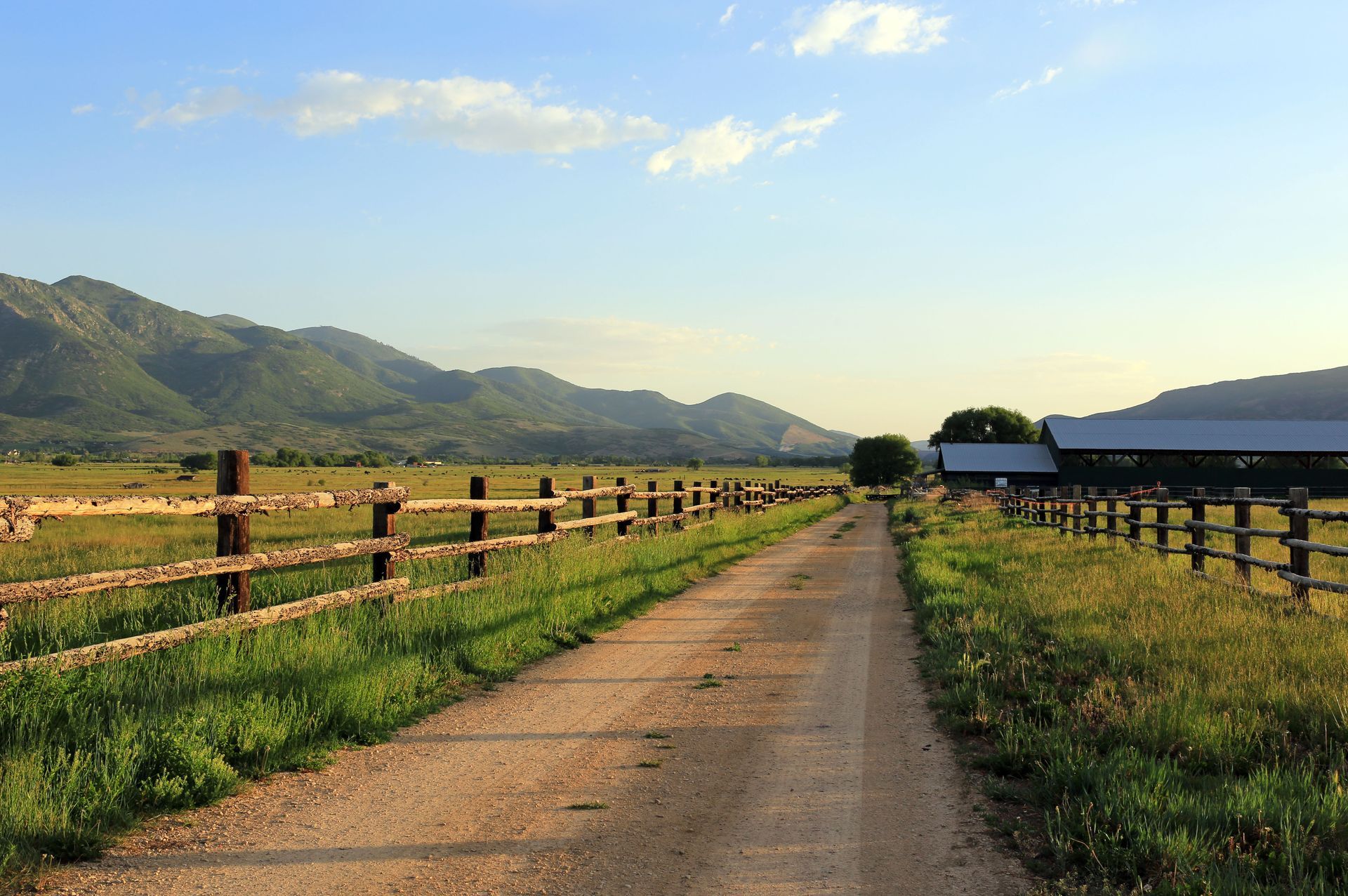
Wooden rail designs provide a traditional aesthetic paired with robust physical strength, making them particularly popular around homesteads, paddocks, and equestrian facilities. The broad visibility of wooden rails prevents horses and large animals from accidentally running into boundaries, significantly reducing injury risks during high-speed movement. Constructed from pressure-treated lumber, cedar, or hardwoods, these structures withstand harsh weather conditions while offering a classic rural appearance that enhances overall property value. The substantial weight and rigidity of wood make it suitable for high-traffic areas where livestock gather frequently.
Constructing a wooden rail agricultural fence involves setting heavy posts deep into the ground using concrete or well-compacted soil to ensure long-term stability. Horizontal boards are then secured to the posts using galvanized fasteners to prevent rusting and wood decay. While wooden structures offer excellent strength and visual appeal, they demand routine maintenance such as painting, staining, and replacing damaged or rotting boards over time. Despite these ongoing upkeep requirements, many property owners prefer wooden rail configurations for their durability, natural beauty, classical aesthetic, and unmatched boundary definition around key farm structures.
High Tensile Fencing Systems
High tensile smooth wire enclosures have revolutionized farm boundary management by offering an exceptionally durable, flexible, and economical alternative to traditional options. Manufactured from high-carbon steel wire that has been galvanized to resist corrosion, this material can withstand extreme tension without stretching out of shape. The spring-like resilience allows high-tensile wire to absorb heavy impacts from livestock or falling tree branches and rebound to its original shape without breaking. This resilience makes it a favored choice for expansive pastures spanning rough, hilly, or heavily wooded topography.
Deploying a high-tensile agricultural fence demands specialized installation techniques, including robust corner brace assemblies capable of maintaining heavy tension across long spans. Tensioners and inline springs are integrated into the wire strands to allow easy adjustments as temperatures fluctuate throughout changing seasons. Farmers can choose between non-electrified configurations for simple boundary demarcation or electrify specific strands to increase containment security for stubborn livestock. With proper installation and minimal ongoing maintenance, high tensile wire systems deliver exceptional performance, durability, and longevity spanning multiple decades.
Barbed Wire Fencing Systems
Barbed wire remains an iconic choice for vast rural acreage and expansive cattle range boundaries due to its simplicity, affordability, and physical deterrence. Composed of twisted double-strand steel wires interwoven with sharp barbs at regular intervals, this design creates a physical and psychological barrier that deters livestock from crowding against boundaries. It is particularly well suited for extensive perimeter enclosures where establishing heavy solid barriers over vast distances would be economically impractical. Cattle respond well to barbed wire deterrence, learning quickly to maintain distance from boundary lines.
Building a barbed wire agricultural fence involves setting line posts at consistent intervals and stretching multiple strands of wire horizontally between anchored corner assemblies. Special care must be taken during handling and installation to ensure proper wire tension without causing injury to installers or animals. While highly effective for cattle and larger livestock, barbed wire is generally discouraged for horses, sheep, and valuable breeding stock due to the risk of hide cuts and wool entanglement. Nevertheless, for large-scale range operations, it continues to offer an unmatched balance of cost efficiency, reliability, and containment capability.
Pipe Rail Fencing Systems
Pipe rail structures represent the upper tier of strength and permanence in livestock containment, frequently utilized in crowded feedlots, holding pens, and working facilities. Fabricated from heavy-duty steel pipes welded directly to vertical steel posts set in concrete, these structures offer virtually indestructible physical boundaries. Pipe systems can easily withstand the immense pressure of crowded cattle, agitated bulls, and heavy machinery operations without bending, breaking, or shifting position. Their smooth exterior surface prevents hide abrasions and snagging injuries during intensive animal handling operations.
Installing a pipe rail agricultural fence requires specialized metal fabrication skills, welding equipment, and professional construction techniques to ensure alignment and structural stability. Once completed, steel pipe structures require minimal maintenance beyond periodic painting or application of protective coatings to prevent rust and corrosion. Although the initial capital investment and labor costs are higher than wire alternatives, the extreme longevity and zero maintenance demands make pipe rail fencing an outstanding investment for high-density livestock facilities, auction barns, and permanent handling corrals.
Selecting the appropriate containment design is a fundamental decision that directly impacts farm efficiency, animal safety, and long-term operational costs. By thoroughly evaluating factors such as animal temperament, pasture terrain, maintenance capabilities, and financial constraints, property owners can build a secure boundary that serves their property for many years. Whether expanding existing pastures, repairing older boundaries, or constructing entirely new agricultural enclosures, professional expertise ensures that every post and strand is installed correctly to withstand daily agricultural demands. For expert guidance, custom design solutions, and professional installation tailored to your specific farm layout, reach out to the dedicated team at Midwest Custom Fencing.